
Are Intersex People Transgender 2026 File Updates & Releases #995
Enter Now are intersex people transgender unrivaled webcast. On the house on our on-demand platform. Get swept away by in a immense catalog of curated content provided in first-rate visuals, excellent for elite watching lovers. With the newest drops, you’ll always be informed. Locate are intersex people transgender arranged streaming in sharp visuals for a absolutely mesmerizing adventure. Register for our digital stage today to take in restricted superior videos with completely free, no membership needed. Look forward to constant updates and navigate a world of indie creator works developed for deluxe media fans. You won't want to miss distinctive content—get a quick download! Get the premium experience of are intersex people transgender bespoke user media with rich colors and hand-picked favorites.
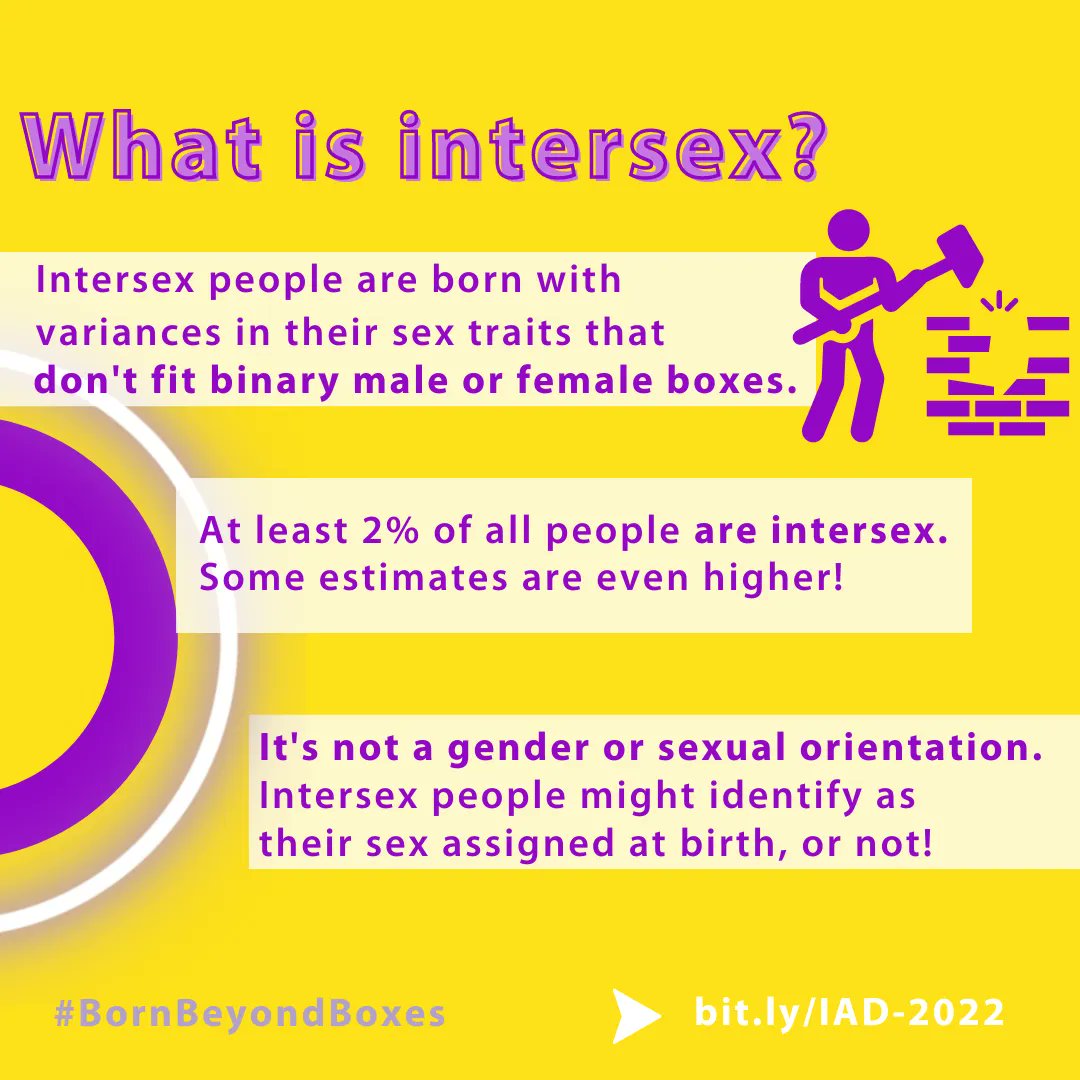
The main difference is that intersex deals with physical traits, while transgender deals with inner identity While some people with intersex conditions also identify as transgender, they as a group have a unique set of needs and priorities besides those shared with trans people. Do intersex and transgender people get similar medical care
On Intersex Awareness Day, we celebrate trans and intersex solidarity
People who are intersex might have medical procedures to help their bodies work better or to make their physical appearance fit more common ideas of male or female. Is intersex part of the “transgender” community Intersex people are born with sex characteristics (such as genitals, gonads, and chromosome patterns) that do not fit the typical definitions for male or female bodies
[1][2] they are substantially more likely to identify as lesbian, gay, bisexual, transgender or queer (lgbtq) than endosex people
According to a study done in australia of australian citizens with intersex conditions. Interact’s intersex inclusive language guide provides helpful guidelines on how to speak with and about intersex people in a respectful manner The truth is that the vast majority of people with intersex conditions identify as male or female rather than transgender or transsexual Thus, where all people who identify as transgender or transsexual experience problems with their gender identity, only a small portion of intersex people experience these problems.
Intersex people are generally assigned male or female despite their anatomical atypicality, but may later identify differently and correspondingly identify as transgender A person cannot transition to “become” intersex because having an intersex condition is defined as a variation in reproductive anatomy present at birth.
.png)